Machine risk assessments help employers and those responsible for ensuring machine safety protect workers while staying compliant with regulations. Employers are responsible for making sure that all machinery is fit for purpose, safe to use, properly maintained and operated by trained staff.
In this guide, we’ll explain what a machine risk assessment is, how to conduct one, what types of equipment need it and more.
What Machine Safety Laws Require Risk Assessments?
In the UK, there are multiple pieces of legislation mandating that machine risk assessments are carried out, the primary ones being PUWER (the Provision and Use of Work Equipment Regulations 1998), the Health and Safety at Work Act 1974, the Management of Health and Safety at Work Regulations 1999 and the Supply of Machinery (Safety) Regulations 2008.
PUWER
The PUWER regulations require employers, self employed individuals and anyone else who controls equipment and / or machines at work to make sure the machinery is safe to use and fit for purpose aiming to prevent accidents and injuries. Its main requirements include equipment stability, inspection and maintenance, adequate training of staff who use it and adequate risk measures such as machine guards.
If you’d like to learn more about this piece of legislation and how you can achieve compliance feel free to have a look at our blog on the PUWER regulations here.
The Health and Safety at Work Act 1974
The Health and Safety at Work Act 1974 is the UK’s general piece of legislation covering safety, wellness and risk management at the workplace. It mandates that employers provide safe machinery, a safe working environment and safe systems of work.
Key duties under this act include:
The Management of Health and Safety at Work Regulations 1999
Another UK law requiring employers to assess risks, control hazards and provide training and a safe workplace for everyone affected by their activities are the Management of Health and Safety at Work Regulations 1999. This piece of legislation implements EU directives generally focusing on proactive management through risk assessments.
The Supply of Machinery (Safety) Regulations 2008
This piece of legislation mandates that all ‘responsible persons’ along the supply chain of machinery in the UK (manufacturers, importers, distributors, even those modifying machinery or designing it for their own use) comply with the Essential Health and Safety Requirements (EHSRs). The regulations also require extensive technical files and clear operating instructions to prevent harm.
What Is a Machine Risk Assessment?
A machine risk assessment is the process through which employers identify potential hazards involved in the machinery used at their workplace, assess the risks imposed by those hazards and then come up with ways to minimise or alleviate these risks e.g. by providing training, using suitable machine guarding, etc.
The aim is to comply with relevant legislation while keeping employees and everyone involved in the workplace’s operations safe.
Key Steps in a Machinery Risk Assessment:
Identify hazards: Note down any foreseeable dangers from the machine’s operation (could be mechanical, electrical, ergonomic issues, even misuse)
Assess risks: Determine how likely harm would be from each hazard and how severe
Implement risk controls: Use adequate machine guarding, safety interlocks, provide staff training on machine usage, etc.
Document residual risk: Note down any remaining risks after controls are implemented
Review and update: Regularly review the assessment (especially for high-risk machinery) to make sure safety measures continue to be effective
What Types of Equipment Require a Machinery Risk Assessment?
Virtually any type of equipment used at the workplace requires a machinery risk assessment to make sure it’s safe and suited for its intended use. This includes:
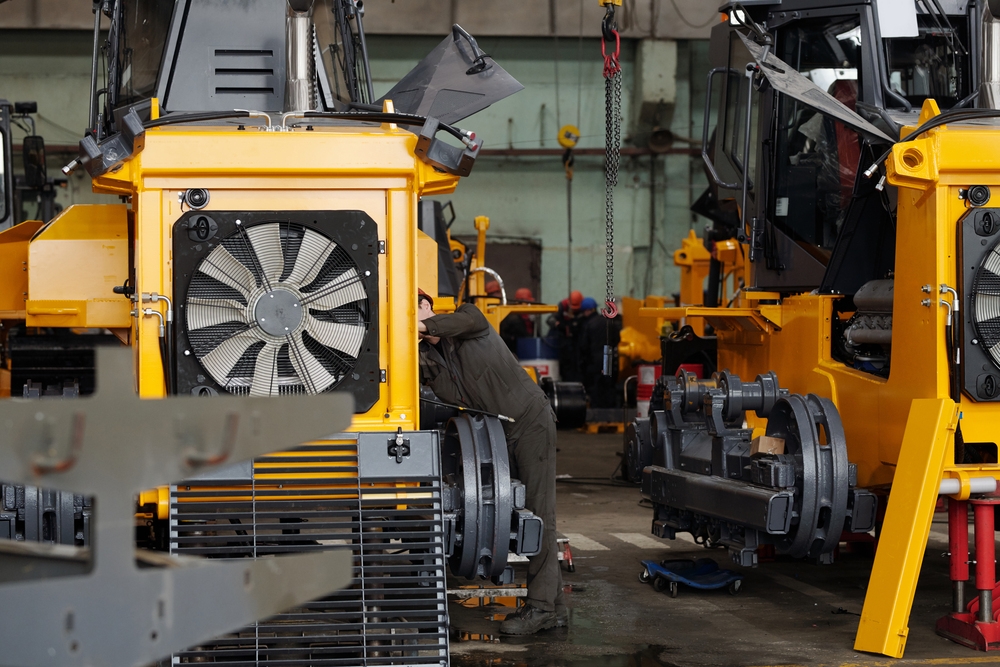
Heavy machinery: cranes, excavators, forklifts, agricultural machinery, woodworking tools, etc.
Vehicles & lifts: Forklifts, lifts, trucks and other transport equipment
Hand & power tools: Cordless screwdriver, portable chainsaws, hand tools used in any type of work setting
Other work equipment: Ladders, computers, screens, aircon units, even basic objects like slings and chains
Any machine with moving parts: If a part moves and isn’t directly powered by humans, it likely needs assessing
When Should Machine Risk Assessments Be Carried Out?
Here are some of the circumstances / key triggers that require a machine risk assessment being carried out:
New machinery being introduced: Mandatory before a new machine/process begins
Changes in environment: Relocating equipment, changing tasks, etc.
Repairs and modifications: Any changes to the machine
Incidents / near misses: To prevent recurrence
New information: If regulations change or new hazards are found
Deterioration: If wear and tear could be affecting use
How to Reduce Machine Hazards
The main purpose of a machine risk assessment is to be able to pinpoint and then reduce or completely eliminate the risks you’ve managed to identify. Here are some of the main ways in which you can do this:
If possible, replace the machine with safer equipment
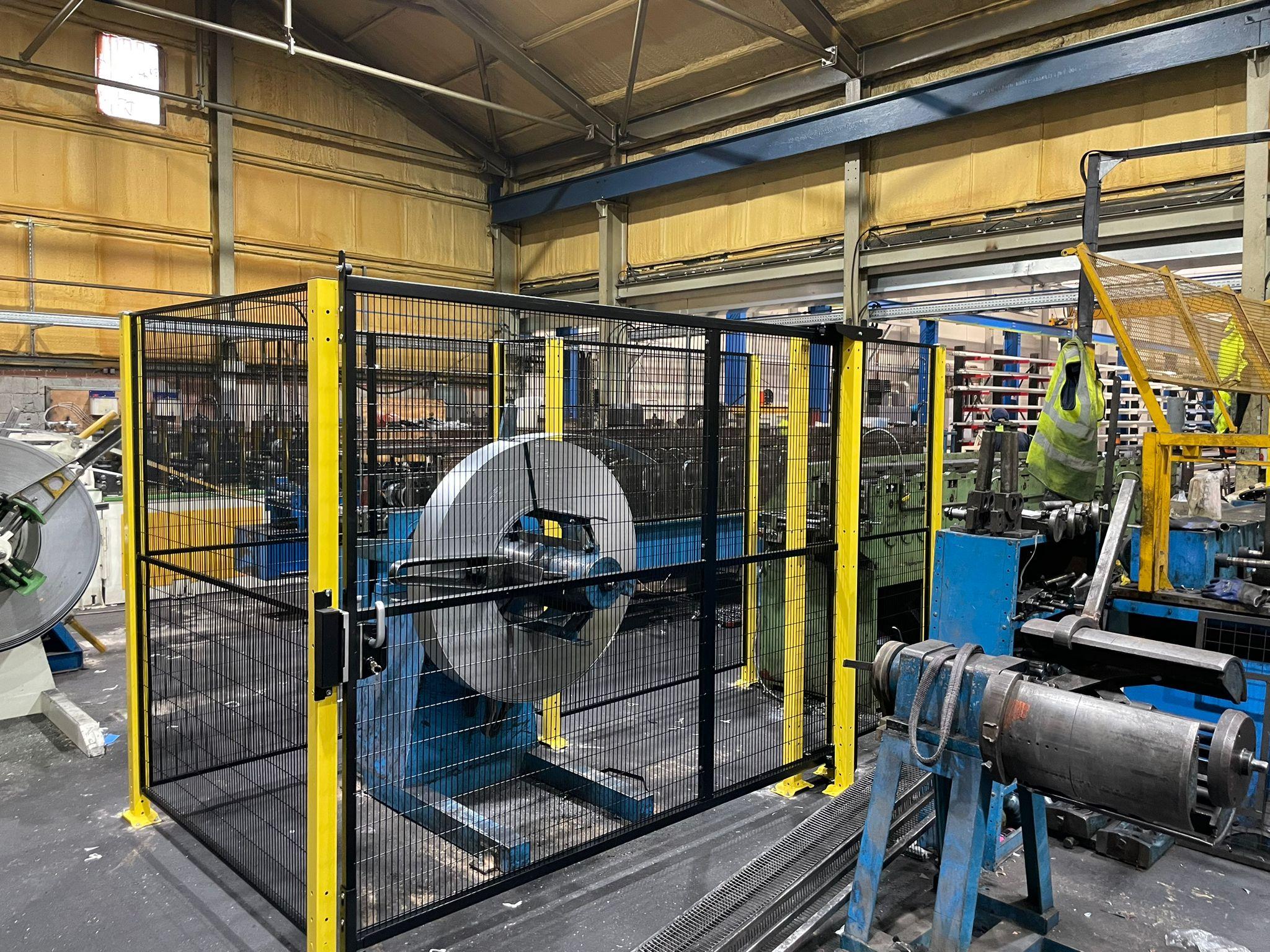
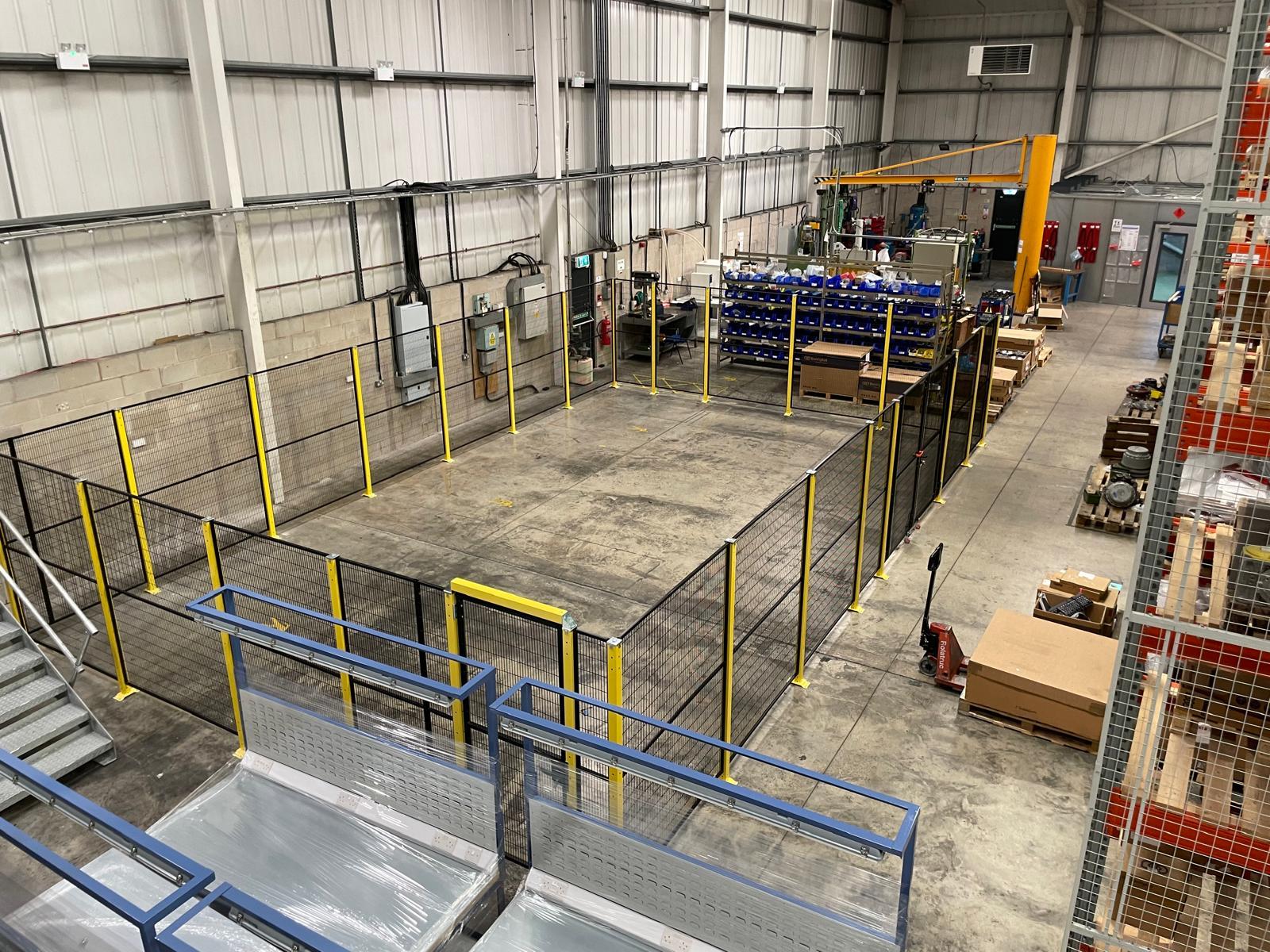
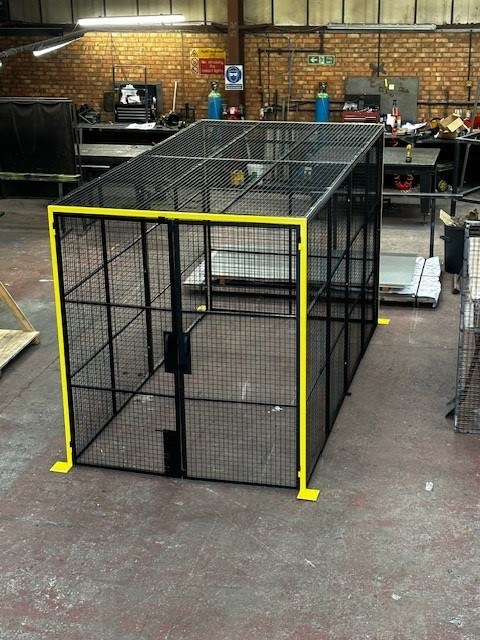
Place safety enclosures around dangerous machinery to make it inaccessible to staff who aren’t involved in operating it
Make sure there aren’t any spillages and clutter around the machinery
Enforce usage of PPE and other safety rules around equipment e.g. not wearing jewellery or loose clothing that could get caught in
Make sure staff are properly trained (including operators and maintenance workers)
Put a regular maintenance schedule in place
Make sure the equipment is only being used for its intended purpose
If possible, replace the machine to an area where it wouldn’t expose staff to hazards
Install appropriate machine guards to prevent accidents
Improve Machine Safety with Accessafe
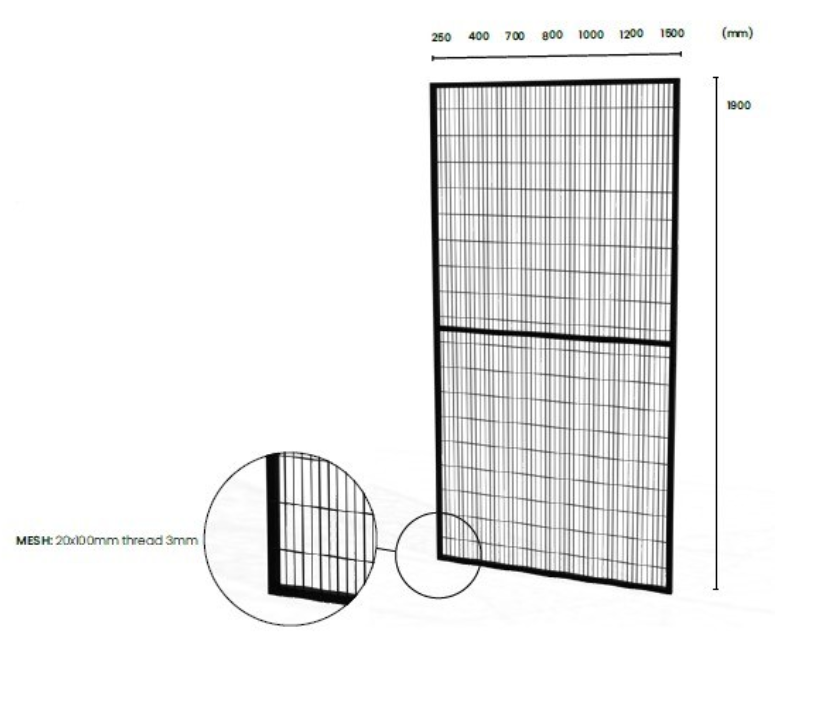
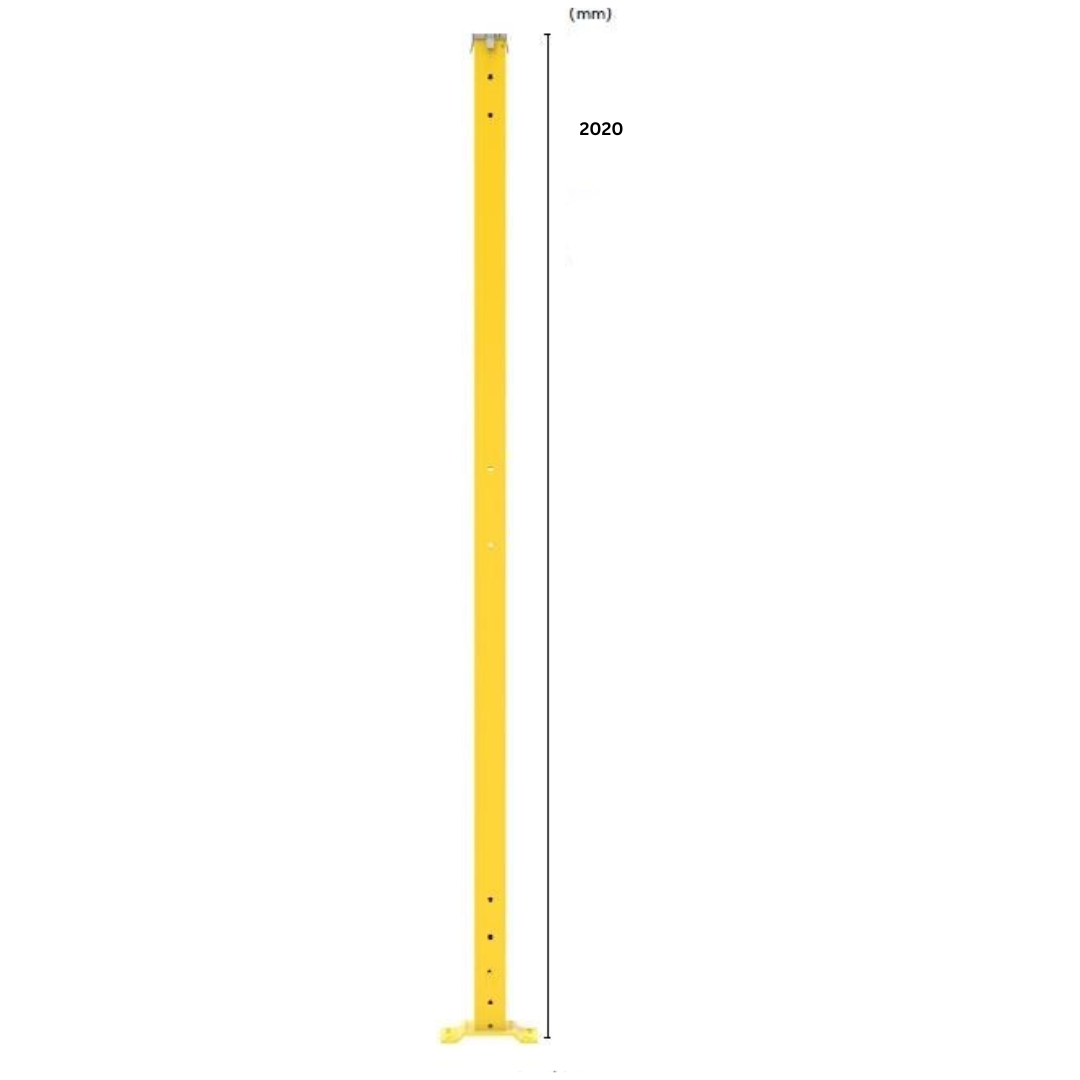
Accessafe offers customisable machine guarding solutions that can be created to fit your machines and ensure personnel safety from installation. We can work with all types of access requirements and proportions whilst remaining compliant with all relevant regulations.
Our solutions include a range of machine guarding product types including:
If you have any questions about machine risk assessment or guarding solutions, don’t hesitate to get in touch with our team and we’ll be happy to help you stay compliant and keep your workplace safe.